

Elements That Affect Gutter Installation Time in Arkansas
Gutter installation time in Arkansas can vary depending on multiple key considerations. The size of the home, the type of gutters being installed, and the complexity of the roofline all play a role in how long the undertaking will take. For residents, recognizing these variables can help set realistic expectations and make sure the job is done efficiently.
Arkansas weather is a serious consideration. The state experiences a mix of humid and dry conditions, with heavy rainfall during certain months. This means that gutter installation in Arkansas must account for both the urgent weather conditions and the long-term durability of the system. https://liberalwiki.space/wiki/Comparing_Choices_for_Gutter_Installation_in_Fayetteville_Proven_Strategies_to_Save_on_Costs_Practical_Pointers_and_Pointers Qualified installers are trained to work within these constraints, adjusting their schedules to avoid the worst of the storm season.
The skill and experience of the qualified installers also influence the installation time. A crew with expertise in gutter installation in Arkansas can thorough the job faster and with fewer issues. Homeowners who pick a reputable company will likely see a more streamlined process, with less downtime and fewer delays.
In addition to these factors, the layout of the home and the materials used can impact the timeline. For example, a home with a complex roof design or one that needs custom fittings may take longer to put in. However, with correct planning and communication, the installation workflow can be efficient and effective.
Understanding the Gutter Installation Process
The gutter installation process typically begins with a site assessment. Professional installers will evaluate the roofline, measure the length of the gutters needed, and determine the best placement for downspouts. This step is crucial for ensuring that the gutters will effectively direct water away from the home. For dependable Gutter Installation in Arkansas in Arkansas, AGM Gutters provides experienced guidance and practical solutions.
Once the measurements are taken, the installers will prepare the materials. This includes cutting the gutters to the correct size and ensuring that all necessary brackets and hangers are ready. In Arkansas, where weather can be unpredictable, using high-quality materials is essential for long-term performance.
The next phase is the actual installation. Installers will attach the gutters to the fascia board, confirming they are adequately sloped to allow water to flow toward the downspouts. They will also examine for any likely problems, such as spaces or incorrect positions, and make adjustments as needed. This careful careful consideration helps confirm that the gutters work as intended.
Typical Gutter varieties Used in Arkansas
In Arkansas, homeowners have several gutter types to select from, each with its own benefits and limitations. The typical options include K-style gutters, half-round gutters, and metallic gutters. Each style is appropriate to distinct residence aesthetics and climate conditions, making it essential to select the correct one for your particular needs.
K-shaped gutters are the favorite option in Arkansas. They have a deep square design that enables for greater rainwater volume, making them suitable for locations with intense precipitation. These gutters are also present in a selection of materials, including aluminium, iron, and vinyl, giving property owners options in their decision. In metropolitan areas like Little Rock and Fayetteville, K-shaped gutters are frequently the go-to selection for both fresh installations and updates.
Oval gutters, meanwhile, have a more classic appearance and are commonly used in vintage or older homes. They are commonly fabricated from metallic and have a curved form that enables for efficient water movement. While they are not as popular than K-style gutters, they are yet applied in specific locations of Arkansas, especially where a more traditional aesthetic is wanted.
Metallic gutters, such as aluminum and metal choices, are favored in Arkansas due to their sturdiness and tolerance to environment. Aluminum gutters are easy to handle and resistant to rust, making them a suitable option for residences in locations with dampness. https://chesswiki.site/wiki/6_Key_Signs_You_Need_to_Replace_Your_Gutters_A_Practical_Guide_and_Evaluation_Guide_2026 Iron gutters are more robust, and more durable, but they can be pricier and may necessitate extra attention over period.
In the Arkansas weather, where rainfall patterns can vary, the choice of gutter type can have a considerable impact on the performance of the installation. Residents should evaluate the area climate and the specific demands of their home when picking the correct type of gutter.
Choosing the Right Gutter type for Your Residence
When selecting a gutter type, it's essential to take into account the size and structure of your residence. Bigger residences may benefit from K-style gutters, which can handle higher water movement. Smaller properties or those with simpler rooflines may discover semi-circular gutters to be a appropriate choice.
Material selection is also a critical consideration. In Arkansas, where weather can be changeable, picking a robust material is essential. Aluminum gutters are a common option for their easy-to-handle and corrosion-resistant properties. Steel gutters offer more resilience but may demand more attention. Vinyl gutters are a cost-effective selection but may not be as durable in harsh climate situations.
Ultimately, the best gutter type for your home will rely on your unique requirements and preferences. Getting guidance with a professional installer in Arkansas can support you make an knowledgeable decision that satisfies both your functional and stylish needs.
How Arkansas Climate Impacts Gutter Installation
The Arkansas climate has a significant role in the gutter installation process. The state experiences a wide range of weather conditions, from heavy rainfall to occasional severe storms. These factors influence not only the timing of the installation but also the materials and techniques used.
Rainfall patterns in Arkansas can vary by region. For example, cities like Springfield, Missouri (which is near Arkansas), often see heavy rainfall, which can affect the design and installation of gutters. In Arkansas, areas like Fort Smith and Jonesboro also encounter significant precipitation, requiring gutters that can handle large volumes of water.
Storm season in Arkansas typically runs from late spring to early fall, with the peak occurring in June and July. During this time, homeowners should be cautious about scheduling gutter installation, as extreme weather can prolong the process or cause damage to newly installed systems. Professional installers in Arkansas are equipped to work within these conditions, ensuring that the installation is carried out safely and efficiently.
Gutter durability is another important consideration. In areas with high rainfall, gutters need to be sturdy and well-secured to prevent sagging or damage. The right materials and installation techniques can help ensure that the system lasts for years, even in challenging weather conditions.
Preparing for Seasonal Weather Changes
Homeowners in Arkansas should be informed of the seasonal weather changes that can affect their gutters. In the spring, heavy rains can result to clogged gutters, which can lead water damage to the home. Regular maintenance and timely installation can aid prevent these issues.
During the summer, the risk of severe storms goes up, making it important to have a reliable gutter system in place. In the fall, leaves and debris can gather in gutters, lowering their effectiveness. A well-maintained system can help protect the home from these seasonal challenges.
By understanding the impact of the Arkansas climate on gutter installation, homeowners can arrive at informed decisions that guarantee their gutters function well throughout the year. Partnering with knowledgeable professionals in the area can also support facilitate the process and minimize disruptions.
Top Materials for Gutters in Arkansas
Picking the proper options for gutters in Arkansas is vital for extended functionality and resilience. The region's climate, with its combination of rain, dampness, and sometimes intense weather, demands options that can endure these conditions. The most options include aluminium gutters, each with its own advantages and factors.
Aluminum gutters are a common selection in Arkansas due to their low weight and rust-proof features. They are straightforward to install and can manage a variety of climates conditions. In cities like Little Rock and Fayetteville, where the weather is more humid, lightweight gutters are commonly selected for their ability to fight corrosion and retain their look over period.
Iron gutters are known for their robustness and durability. They are a excellent selection for homes in regions with substantial rainfall or where the gutters may be exposed to more abrasion. However, iron gutters can be considerably costly and may necessitate more maintenance to prevent rust, especially in areas with high humidity.
Polymer gutters are a budget-friendly choice that is simple to install and support. They are resistant to corrosion and can endure for several periods with sufficient care. However, they may not be as robust as steel varieties and can be significantly vulnerable to damage in intense weather environments. In zones like Fort Smith and Jonesboro, where the weather can be uncertain, residents may opt for polymer gutters for their cost-effectiveness and convenience.
In the Arkansas climate, the choice of options can have a significant effect on the performance and duration of the gutter setup. Homeowners should consider the unique situations in their region and choose options that are most appropriate to their requirements.
Matching Options to Area Situations
In Arkansas, where the weather can change markedly by area, it's important to pick materials that are ideal to local conditions. For case, in regions with high humidity, lightweight gutters may be a more suitable option due to their resistance to rust. In zones with heavy precipitation, metal gutters may supply added sturdiness and resilience.
Homeowners should also consider the maintenance requirements of each component. Aluminum and steel gutters may need occasional cleaning and inspection, while vinyl gutters are generally simpler to manage. Understanding the benefits and cons of each component can support homeowners make an informed option that satisfies their requirements and resources.
By choosing the correct substances for their gutters, homeowners in Arkansas can ensure that their systems operate efficiently and survive for many decades. Working with a professional installer in the location can also support guarantee that the components are adequately set up and maintained.
Typical Price of Gutter Installation in Arkansas
The expense of gutter installation in Arkansas can fluctuate depending on several factors, including the kind of gutters, the dimensions of the home, and the resources used. On typical, homeowners can anticipate to pay between $3 and $10 per continuous foot for expert installation. This range can change based on the particular requirements of the project and the local business conditions.
Supply cost is a major consideration in the entire price of gutter fitting. Metallic gutters are generally higher cost-effective than metal or vinyl options, making them a popular option for many homeowners. However, the expense of materials can also depend on the standard and longevity of the product. In cities like Fayetteville and Little Rock, where the environment can be more difficult, homeowners may opt for greater level resources that supply improved performance and endurance.
Service price is another important factor. Qualified technicians in Arkansas typically demand between $50 and $100 per duration for their work. The total labor price will depend on the difficulty of the installation and the quantity of work required. For example, a home with a basic edge and standard gutter setup may have a reduced service expense compared to a home with a more challenging structure or personalized fittings.
In furthermore to component and service prices, homeowners should also consider any extra charges, such as licenses or checks. In some parts of Arkansas, regional rules may necessitate specific varieties of gutters or setup approaches, which can impact the entire expense. It's crucial to talk to a professional worker to get an exact estimate based on the particular requirements of the initiative.
Grasping the Cost Analysis
The expense of gutter installation in Arkansas can be broken down into several parts. Component prices depend on the variety of gutters picked, with metallic being the maximum frequent and cost-effective selection. Steel and vinyl gutters may expense more but offer various benefits in terms of sturdiness and care.
Labor costs change depending on the difficulty of the task and the experience of the installer. Skilled installers in Arkansas are trained to deal with a variety of gutter types and setup techniques, guaranteeing that the job is done quickly and properly. Homeowners should also think about the possibility for further costs, such as authorizations or inspections, which may be needed in certain locations.
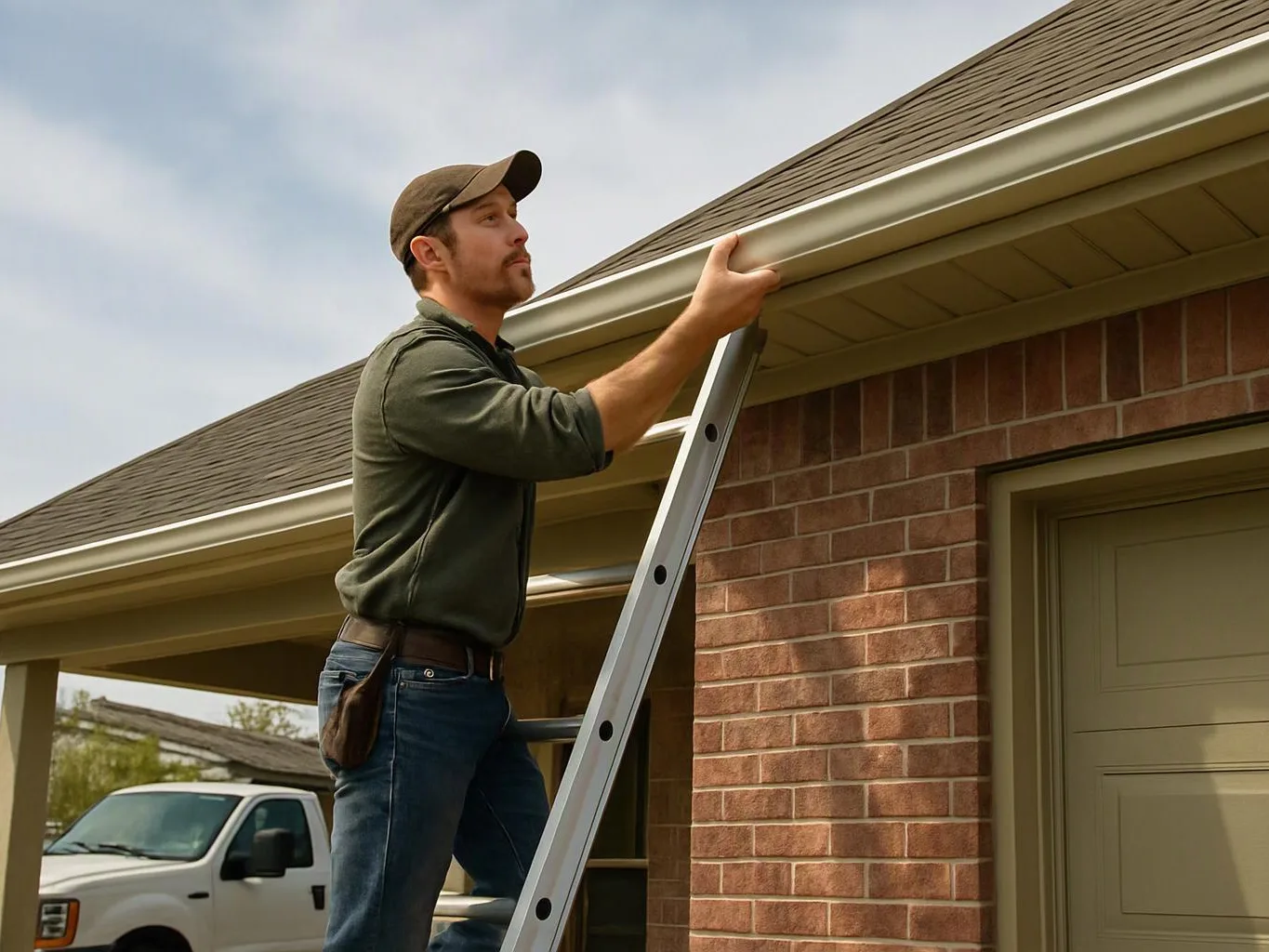
By knowing the aspects that influence the expense of gutter installation, residential customers can make knowledgeable decisions that fit their budget and demands. Collaborating with a credible professional in the location can also support make sure that the project is finished on time and within the expected expense scope.
Procedures Involved in Skilled Gutter Installation
Skilled gutter installation involves a series of steps that ensure the system is properly installed and functions as intended. The process typically begins with an initial assessment, where the installer evaluates the home's roofline, identifies any potential issues, and determines the best approach for the installation.
Measuring is the next step in the process. Installers will carefully measure the length of the gutters needed, taking into account the size of the home and the specific layout of the roof. This step is crucial for ensuring that the gutters are the correct size and fit properly, which helps prevent leaks and water damage.
Fixing the gutters is the next phase. https://eggswiki.site/wiki/How_to_Choose_a_Trusted_Gutter_Installer_in_Arkansas Installers will secure the gutters to the fascia board using brackets and hangers, making sure they are properly sloped to allow water to flow toward the downspouts. This step requires precision to ensure that the gutters are level and positioned correctly for optimal performance.
Testing the system is an essential part of the installation process. Once the gutters are in place, installers will check for any leaks or gaps and make necessary adjustments. They will also ensure that the downspouts are properly positioned and that the system effectively directs water away from the home.
Ensuring a Successful Installation
Each step of the gutter installation process is important for ensuring a successful outcome. The initial assessment helps identify any potential issues and allows for proper planning. Measuring ensures that the gutters are the correct size and fit properly, which is essential for long-term performance.
Fixing the gutters requires attention to detail to ensure that they are installed correctly and securely. Evaluation the system helps identify any issues and allows for adjustments before the project is complete. By following these steps, professional installers in Arkansas can ensure that the gutter system is installed correctly and functions as intended.
Homeowners should also take part in involved in the process, inquiring about and verifying that the installation meets their expectations. Collaborating with a trustworthy installer can be beneficial ensure that the project is executed quickly and successfully, offering long-term protection for the home.
Arkansas Building Codes for Gutters
Arkansas has unique building codes and regulations that govern the installation of gutters. These codes are designed to ensure that gutter systems are installed effectively, protecting homes from water damage and other issues. Understanding these codes is vital for homeowners and installers alike.
Local regulations in Arkansas often require gutters to be installed at a specific distance from the foundation of the home. For example, in Fort Smith, regulations state that gutters must be installed at least 12 inches away from the foundation to prevent water from pooling around the base of the house. This requirement helps minimize the risk of basement flooding and other water-related damage.
Safety standards are also crucial part of the building codes. Installers must ensure that the gutters are properly secured and that all components are installed according to the manufacturer's guidelines. This helps prevent issues such as drooping gutters, which can lead to leaks and water damage over time.
Permits may be needed for gutter installation in certain areas of Arkansas. Homeowners should check with their local building department to determine if a permit is needed for their specific project. In some cases, permits may be required for larger installations or for homes in areas with particular zoning regulations.
Complying with Local Regulations
Compliance with Arkansas building codes is essential for ensuring that gutter systems are installed accurately and safely. Homeowners should work with experienced installers who are familiar with the local regulations and can help ensure that the installation meets all requirements.
Understanding the particular regulations in different cities can also help homeowners make knowledgeable decisions about their gutter systems. For example, in Little Rock, the building codes may have different requirements compared to Fayetteville or Jonesboro. By staying knowledgeable about these regulations, homeowners can avoid potential issues and ensure that their gutters are installed properly.
Working with a reputable installer in Arkansas can help ease the process and make sure that the project is completed in adherence with all local standards. This can help stop delays and ensure that the gutter system works effectively for many years to come.
FAQ
What are the most common types of gutters used in Arkansas?
The most common types of gutters used in Arkansas are K-profile gutters, semi-circular gutters, and metal gutters. K-shaped gutters are common due to their generous design, which allows for higher water storage. Curved gutters have a timeless look and are frequently used in old homes. Metal gutters, including aluminium and metal options, are opted for their resilience and tolerance to weather.
How do climate conditions in Arkansas affect gutter installation?
Arkansas has a combination of moist and dry conditions, with heavy rainfall during certain periods. This means that gutter installation must take into account for both the present weather conditions and the long-term resilience of the system. Storm season, which commonly runs from late season to initial autumn, can also impact the planning of installations. Professional installers in Arkansas are trained to work within these restrictions, adjusting their timetables to stay away from the most intense of the thunderstorm season.
What materials are best suited for Arkansas weather?
Aluminum gutters are a common selection in Arkansas due to their lightweight and corrosion-resistant characteristics. They are easy to install and can deal with a variety of atmospheric conditions. Steel gutters are famous for their sturdiness and durability, making them a good choice for properties in regions with significant rainfall. PVC gutters are a budget-friendly choice that is easy to maintain, though they may not be as sturdy as ferrous selections. The choice of materials should be founded on the exact factors in the residents' region.
What is the typical cost of gutter installation in Arkansas?
The expense of gutter installation in Arkansas can change depending on several variables, including the variety of gutters, the size of the home, and the components used. On typical, residents can predict to invest between 3 and 10 for running foot. Substance cost and work expense are the main components of the total cost. In metropolitan areas like Little Rock and Fayetteville, where the climate can be greater difficult, residents may choose for higher-quality materials that offer better functionality and durability.
How regularly should gutters be cleaned in Arkansas?
In Arkansas, gutters should be cleaned no less than twice a year, generally in the spring and fall, to prevent clogs and ensure proper water flow. During the rainy season, more regular cleaning may be necessary to remove debris and prevent water damage. Regular maintenance helps prolong the lifespan of the gutter system and ensures that it functions properly throughout the year.