

Factors Influencing Gutter installation Expenses in Arkansas
Gutter installation in Arkansas involves a selection of considerations that establish the entire cost. The primary consideration is the kind of materials used, which can differ significantly in cost. Typical components include aluminium, steel, and vinyl, each with its own benefits and rate points. Labor expenses also play a important function in the entire cost, as experienced setup demands experienced workers who know the unique requirements of Arkansas homes. The complexity of the project, such as the scale of the roof and the amount of downspouts, can also affect the final cost. In Arkansas, where weather situations can be uncertain, the requirement for durable and correctly set up gutter devices is critical. Understanding these elements assists property owners make knowledgeable decisions when organizing their gutter installation. For dependable Gutter Installation in Arkansas in Arkansas, AGM Gutters supplies experienced guidance and practical approaches.
Another key consideration is the area effort sector. In towns like Little Rock and Fayetteville, where need for residential enhancement offerings is high, work expenses may be somewhat higher than in lesser villages. However, the expertise of area professionals is essential for making sure that the setup satisfies Arkansas structure codes and is appropriate for the region's weather. Moreover, the option of materials influences not only the initial expense but also prolonged service costs. For instance, aluminum gutters are easy to handle and resistant to corrosion, while steel gutters provide greater strength but may require more care in regions with strong rainfall.
Residents in Arkansas need as well take into account the possibility for storm injury when designing their gutter installation. The region encounters a range of weather situations, from intense rainfall to unexpected gales, which can force more stress on gutter units. Correct installation and the application of top-quality materials can help avoid challenges such as blockage, seepage, and framework harm. In certain instances, local contractors may advise particular kinds of gutters based on the property's location and the adjacent surroundings. This personalized method guarantees that the installation is both economical and durable.
Popular Gutter Materials Used in Arkansas
When it comes to gutter installation in Arkansas, the choice of materials is influenced by the region’s weather conditions. Aluminium is a popular option due to its lightweight nature and resistance to rust, making it ideal for areas with frequent rainfall. Steel gutters, on the other hand, offer greater strength and durability, which is advantageous in regions that experience heavy storms. Vinyl gutters are another typical choice, as they are affordable and easy to set up, though they may not be as long-lasting as metal options. https://md.sigma2.no/rICM6nLXScy9dXYvjAWYoQ Each material has its own advantages and drawbacks, and the best selection depends on the particular requires of the property and the area climate.
Arkansas weather can be quite variable, with periods of heavy rain followed by dry spells. This means that the materials used for gutter installation must be able to withstand both moisture and temperature fluctuations. Aluminum gutters are commonly preferred in areas with high rainfall, as they are less likely to corrode over time. Steel gutters, while more durable, may require further servicing in regions with frequent storms. Vinyl gutters, though cost-practical, may not be the best option for homes in flood-prone areas, where more robust materials are required to stop water harm.
Property owners in Arkansas should also consider the long-term costs associated with each material. While vinyl may be cheaper upfront, it may need to be replaced more frequently than aluminum or steel. In contrast, aluminum and steel gutters, though more expensive initially, can last for many years with proper care. This makes them a more cost-effective choice over time, especially in areas with unpredictable weather. Additionally, the availability of materials can vary by region, with some cities offering a wider range of options than others. This can impact both the cost and the quality of the installation.
How Climate Affects Gutter Installation in Arkansas
The climate in Arkansas plays a significant role in the installation and maintenance of gutter installations. The state experiences a humid subtropical climate, with hot summers and mild winters, and common rainfall throughout the year. This means that gutter installation must account for the potential for heavy storms and flooding, which can put extra stress on the setup. Proper installation makes sure that gutters can tackle the volume of water during peak rainfall periods, minimizing the risk of damage to the home’s foundation and walls.
Storm damage is a common concern in Arkansas, particularly during the spring and summer months when severe weather is more regular. Gutters that are not installed properly may not be able to tackle the increased water flow, leading to overflow and potential structural issues. In areas with high rainfall, such as Fayetteville, homeowners frequently opt for reinforced gutter setups that can withstand the pressure of heavy rain. This may include using stronger materials or adding extra downspouts to improve water drainage. These measures assist safeguard the home from water-related wear and reduce the need for frequent repairs.
Maintenance is another key factor influenced by Arkansas’ climate. Homes in areas with frequent rainfall may require more regular cleaning and inspection to prevent clogs and leaks. In regions like Springfield, where storms are common, homeowners may need to schedule gutter cleaning more often to ensure the system functions properly. This can add to the overall cost of ownership, as regular maintenance is necessary to keep the gutters in good condition. Additionally, the need for repairs can increase if the system is not properly maintained, leading to higher long-term expenses.
Impact of Heavy Rainfall on Gutter Systems
Heavy rainfall in Arkansas can have a significant impact on gutter systems, especially in areas with high precipitation levels. During periods of intense rain, gutters must be able to handle large volumes of water to prevent overflow and damage to the home. In cities like Little Rock, where rainfall can be unpredictable, homeowners often choose gutters that are designed to withstand heavy water flow. This may include using larger downspouts or installing additional gutters to improve drainage. These measures help ensure that water is directed away from the home, reducing the risk of flooding and foundation damage.
Arkansas rainfall can also affect the longevity of gutter systems. Prolonged interaction to humidity can cause materials to degrade over time, leading to seepage and building challenges. In areas with frequent tempests, such as Fort Smith, homeowners may need to spend in more sturdy materials that can handle the conditions. This can include using more robust gauge metals or choosing for gutters with fortified seams. These options help prolong the lifetime of the system and reduce the need for ongoing maintenance. Furthermore, accurate installation is vital for making sure that gutters can deal with the volume of liquid during intense moisture.
Storm time in Arkansas can also raise the chance of gutter-related problems. Abrupt rainfalls and strong gusts can lead to objects to gather in gutters, causing to obstructions and overfilling. In places like Fayetteville, where moisture is usual, homeowners may need to schedule more gutter service to stop these challenges. This can contribute to the entire cost of support, but it is an vital part of ensuring that the system functions properly. By understanding the effect of heavy precipitation on gutter systems, homeowners can take informed decisions about the materials and installation approaches that best match their requirements.
Experienced Gutter mounting Procedure in Arkansas
The professional gutter setup method in Arkansas involves several key steps to confirm that the installation is properly designed and installed. The first step is a detailed roof assessment, where a contractor assesses the structure of the roof and identifies any potential problems that may affect the installation. This includes checking the pitch of the roof, the condition of the existing gutters, and the in general layout of the residence. A detailed roof assessment helps determine the best approach for setting up new gutters and ensures that the setup is tailored to the specific needs of the property.
Once the roof assessment is complete, the next step is to measure the length of the gutters required for the installation. This involves calculating the total linear footage of the gutters and determining the number of downspouts required. In Arkansas, where homes vary in size and design, exact measurements are crucial to confirm that the system is both functional and cost-effective. Contractors use specialized tools to measure the roof and create a detailed plan for the installation, taking into account factors such as the slope of the roof and the location of the home’s foundation.
After the measurements are taken, the installation steps begin. This includes securing the gutters to the roof using brackets and fasteners, ensuring that they are properly aligned and sloped to allow for proper water drainage. In areas with heavy rainfall, such as Little Rock, contractors may use reinforced materials to enhance the durability of the system. Additionally, the installation process involves connecting the gutters to the downspouts and ensuring that they are positioned to direct water away from the home. This step is crucial for preventing water damage and maintaining the integrity of the foundation.
Finally, the installation is completed with a thorough inspection to ensure that the system is functioning correctly. This includes checking for any leaks, verifying that the gutters are properly secured, and confirming that the drainage system is working as intended. In Arkansas, where weather conditions can be unpredictable, a well-installed gutter system is essential for protecting the home from water-related damage. By following a professional installation process, homeowners can ensure that their gutters are both effective and long-lasting.
Standard Price Ranges for Gutter Installation in Arkansas
An standard cost of gutter installation in Arkansas differs depending on several elements, such as the variety of supplies used, the scale of the residence, and the complexity of the setup. Generally, residents may expect to pay among $3 and $10 each running length for qualified setup. This range covers both work and materials, with the ultimate price depending on the exact choices made during the installation stage. In cities like Fayetteville, in which rainfall is elevated, the cost may be slightly higher because of the need for greater sturdy materials and additional setup actions.
Effort expenses in Arkansas may also differ depending on the place and the experience of the installer. In greater places like Little Rock, where demand for residential enhancement products is significant, labor fees could be somewhat more expensive than in smaller communities. However, the knowledge of area builders is vital for guaranteeing that the installation complies with Arkansas structure standards and is appropriate for the region’s weather. Property owners must also take into account the extended costs associated with upkeep and fixes, as these can add to the total expense of the gutter setup.
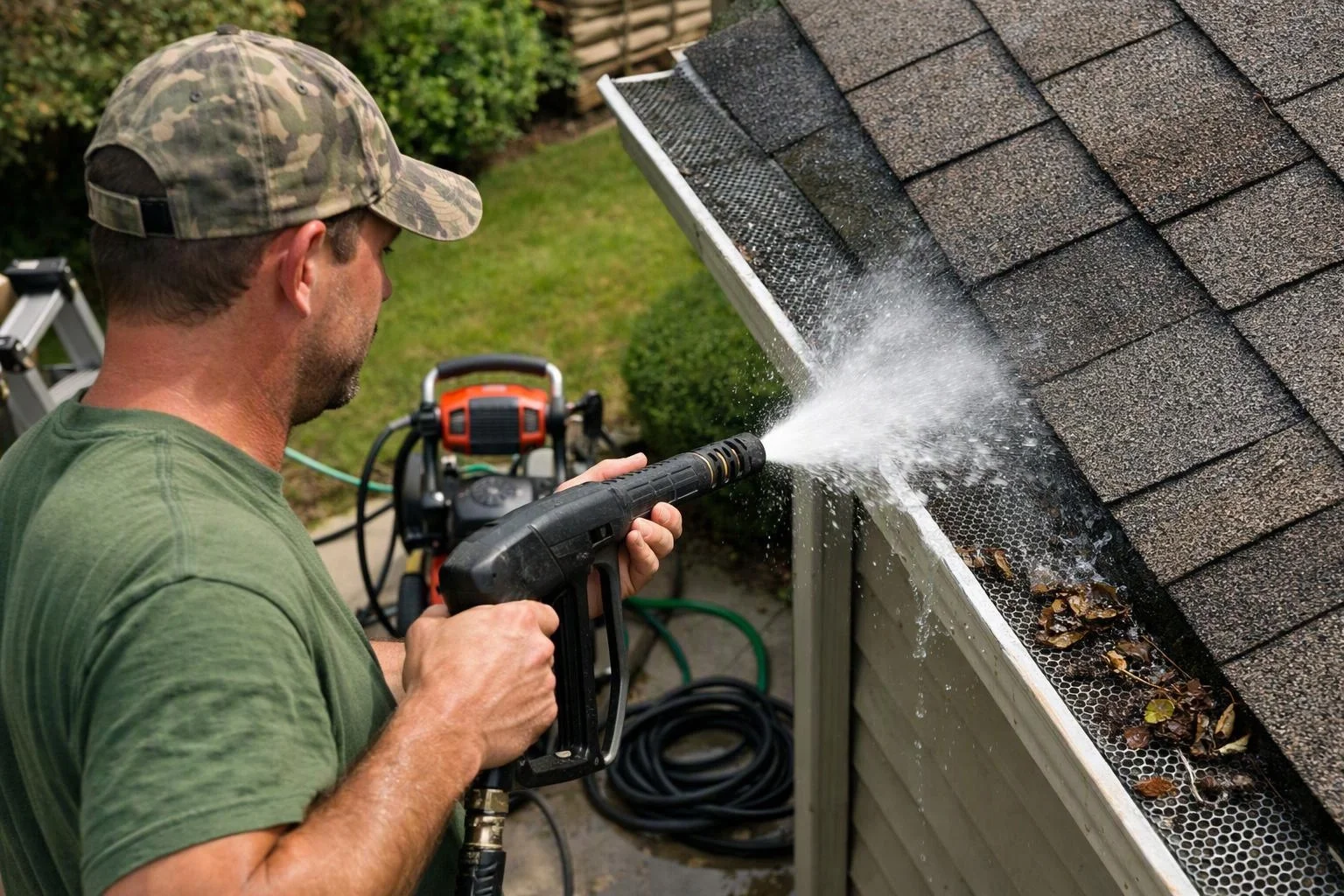
Component charges play a important part in determining the final cost of gutter setup. Sheet gutters are a well-liked choice as a result of their low cost and sturdiness, with rates spanning from $2 to $5 for foot foot. Iron gutters, although more expensive, offer higher strength and endurance, making them a good choice for residences in regions with regular storms. Synthetic gutters are the most budget-friendly choice, but they could need higher regular updates due to their susceptibility to damage. Selecting the right supplies based on the home’s specific demands and the local environment can help residents carry out economical decisions.
Additional aspects including the count of water pipes, the length of the gutters, and the demand for tailored processes can also impact the ultimate cost. In places like Springfield, where storms are regular, homeowners might need to allocate in reinforced systems that can deal with heavy water. This can raise the total cost but also improve the long-term effectiveness of the gutter system. With grasping the average cost amounts for gutter installation in Arkansas, homeowners can more organize their financial plans and execute knowledgeable decisions about their residential improvement ventures.
City-Particular Gutter Installation Costs in Arkansas
Gutter installation costs in Arkansas can vary significantly depending on the city, with considerations such as area labor rates, material availability, and weather conditions influencing the final price. https://trevino-hu.blogbright.net/8-steps-to-ensure-your-gutters-last-longer-e2-80-94-a-practical-guide-and-evaluation-guide-2026 In Little Rock, for example, the average cost for gutter installation ranges from $3 to $10 per linear foot, with labor costs being slightly higher due to the city's demand for property improvement support. Residents in Little Rock should also consider the region's climate, as the city experiences regular rainfall that may require more sturdy materials and additional installation stages.
Fayetteville, known for its high rainfall, often sees higher costs for gutter installation due to the require for reinforced installations that can handle heavy water flow. The cost in Fayetteville typically ranges from $4 to $12 per linear foot, with residents opting for materials such as aluminum or steel to make sure long-term efficiency. In addition to the materials, the complexity of the installation can also affect the price, as some homes may require more downspouts or specialized designs to improve drainage. This makes it vital for homeowners in Fayetteville to work with skilled contractors who know the local climate and can provide tailored solutions.
Springfield, Arkansas, experiences regular storms, which can impact the cost and design of gutter installation. The average cost in Springfield is similar to other cities, ranging from $3 to $10 per linear foot, but the require for reinforced setups may increase the overall expense. Homeowners in Springfield should consider the local weather conditions when selecting materials and installation methods, as these factors can affect the longevity and performance of the gutter system. Additionally, the availability of local contractors and materials can influence the final cost, with some areas offering more competitive pricing than others.
Fort Smith, like many cities in Arkansas, has specific building codes that may affect the cost of gutter installation. In flood-prone areas, homeowners may be required to use certain materials or installation techniques to ensure compliance with local regulations. The average cost in Fort Smith ranges from $3 to $10 per linear foot, but additional requirements can increase the final price. Homeowners in Fort Smith should consult with local contractors to understand the specific codes and requirements that apply to their property, as this can impact both the cost and the quality of the installation.
What are the most common types of gutters used in Arkansas?
The most common types of gutters used in Arkansas include aluminum. Aluminum gutters are popular due to their lightweight nature and resistance to rust, making them well-suited for areas with frequent rainfall. Steel gutters offer greater strength and durability, which is beneficial in regions that experience heavy storms. Aluminum gutters are a more affordable option, though they may not be as long-lasting as metal alternatives. Each type of gutter has its own advantages and is chosen based on the specific needs of the home and the local climate.
How do climate conditions in Arkansas affect gutter installation?
Climate conditions in Arkansas, including heavy rainfall and frequent storms, play a significant role in gutter installation. The state's humid subtropical climate means that gutters must be able to handle large volumes of water to prevent overflow and damage. In areas with high rainfall, such as Fayetteville, homeowners often choose sturdier systems that can withstand the pressure of heavy water flow. Additionally, the need for regular maintenance increases in regions with unpredictable weather, as clogs and leaks can occur more frequently. Effective installation and the use of strong materials are essential for ensuring that gutters function effectively in Arkansas' climate.
What materials are best suited for Arkansas weather?
Materials best suited for Arkansas weather include aluminum, which offer durability and resistance to the state's frequent rainfall and storms. Steel gutters are lightweight and resistant to rust, making them ideal for areas with high precipitation. Steel gutters, while more expensive, provide greater strength and longevity, which is beneficial in regions with heavy storms. Steel gutters are also used, though they may not be as long-lasting as metal options. The choice of materials depends on the specific needs of the home and the local climate, with a focus on resilience and performance.
What is the typical cost of gutter installation in Arkansas?
The common cost of gutter installation in Arkansas ranges from $3 to $10 per linear foot, depending on considerations such as materials, labor, and the complexity of the installation. In cities like Little Rock and Fayetteville, where rainfall is high, the cost may be slightly higher due to the require for more sturdy materials and extra installation steps. Homeowners should also evaluate the long-term costs associated with upkeep and repairs, as these can affect the altogether expense of the gutter installation. By understanding the average cost ranges, residents can make informed decisions about their residence improvement undertakings.
What are the steps involved in professional gutter installation?
The steps involved in professional gutter installation include a roof assessment, measurement of the gutters needed, and the actual installation process. Contractors begin by evaluating the roof to identify any potential issues that may affect the installation. This is followed by precise measurements to determine the length of the gutters and the number of downspouts required. The installation itself involves securing the gutters to the roof using brackets and fasteners, ensuring proper alignment and slope for effective water drainage. A final inspection is conducted to confirm that the system is functioning correctly and meets local building codes.