

Understanding Gutter Problems in Arkansas
Gutters are an essential part of any home, particularly in Arkansas, where the weather can be unpredictable. The right gutter system assists manage rainwater, preventing wear to the foundation, walls, and roof. Still, improper installation or poor servicing can lead to a variety of problems. Knowing these typical concerns is the first step in confirming your gutters perform well throughout the year.
Arkansas is known for its varied weather patterns, which can place substantial stress on gutter systems. Whether it's heavy rainfall, sudden temperature changes, or high humidity, the climate in Arkansas can affect the performance and longevity of your gutters. This is why choosing the right installation and materials is crucial.
Installation plays a key role in the effectiveness of gutters. A poorly installed system can lead to leaks, water pooling, and even structural damage. It's important to work with professionals who understand the specific needs of Arkansas homes. By addressing these issues early, homeowners can avoid costly repairs and maintain a functional gutter system.
How Arkansas Climate Impacts Gutter Performance
The climate in Arkansas has a direct impact on how gutters function. From heavy rainfall to extreme temperature fluctuations, the weather conditions in the state can challenge even the most well-designed installations. Understanding these factors can help residents make informed decisions about their gutter upkeep and installation.
Heavy Rainfall and Flooding Risks
Arkansas experiences substantial rainfall, particularly in the Little Rock area, where heavy storms can lead to flooding. This can overwhelm gutters, causing them to overflow or become clogged with debris. When gutters are not appropriately maintained, the risk of water wear increases, affecting the foundation and exterior of the residence.
Stormwater management is essential in areas like Little Rock, where the combination of heavy rainfall and urban development can lead to water runoff problems. Correctly installed gutters, combined with downspouts and drainage systems, can support direct water away from the property and minimize the risk of flooding.
Extreme Temperatures and Material Wear
Arkansas is also known for its extreme temperature swings, which can affect the durability of gutter materials. In Springfield, for example, the fluctuating temperatures can cause materials to expand and contract, leading to stress and possible harm. This is why choosing the right materials for gutter installation in Arkansas is so important.
Gutter corrosion is a common issue in areas with high humidity and temperature variations. Materials that are not weather-resistant can degrade over time, leading to leaks and the need for frequent repairs. Homeowners in Arkansas should consider materials that can withstand these conditions to ensure long-term performance.
Best Materials for Gutter Installation in Arkansas
Choosing the right options for gutter installation in Arkansas is important for extended performance. The weather, rainfall trends, and temperature extremes all impact a part in figuring which materials will survive best. Selecting the right materials can make a big difference in the durability and efficiency of the gutter solution.
Metallic Gutters in Arkansas
Aluminum gutters are a favored option in Arkansas due to their nimble and anti-rust features. They are ideal for the region's weather, including the heavy rainfall in Little Rock and the thermal shifts in Fort Smith. Metallic gutters are also simple to set up and maintain, making them a suitable selection for many residents.
In Fort Smith, where the climate can be uncertain, metallic gutters supply a dependable answer. Their durability and resistance to rust make them perfect for areas that go through both moist air and heat variations. This makes them a wise decision for residents looking for long-lasting results.
Iron Gutters in Arkansas
Metal gutters are another choice for property owners in Arkansas, particularly in locations near the Oklahoma border like City. While they are sturdier than aluminum, they can be susceptible to rust if not well cared for. However, with the best finishes and regular upkeep, iron gutters can offer a robust and long-lasting answer.
In regions like the State perimeter, where storms can be regular and powerful, metal gutters offer extra strength. They are well-suited for areas that encounter strong precipitation and powerful breezes, making them a possible choice for residents who seek a sturdy gutter setup.
Common Signs Your Gutters Need Maintenance
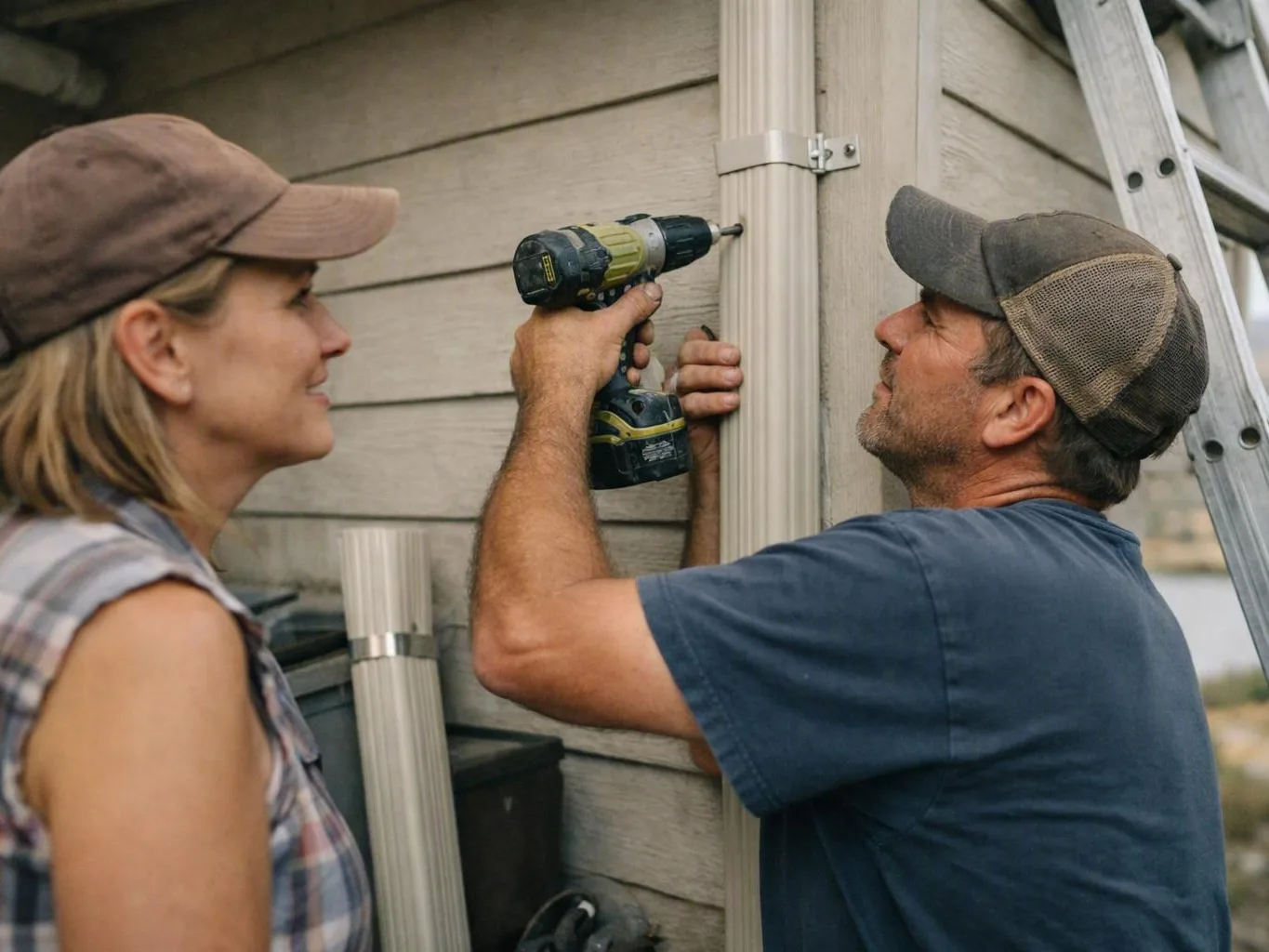
Even the best-designed gutter systems can experience issues over time. Noticing the indications of gutter damage is essential for keeping the soundness of your home. In Arkansas, where weather conditions can be extreme, it's vital to stay alert to these warning signs.
One of the most frequent indications of gutter damage is seepage. If water is pooling around the foundation or dripping from the gutters, it could signal a problem with the system. Water damage can lead to major issues, including mildew formation and structural damage. Resolving these issues early can avoid expensive maintenance down the road.
Another indicator to be aware of is drooping or uneven gutters. This can take place due to faulty setup, intense downpours, or the load of trash. In Fayetteville, where the landscape can be hilly, this challenge can be more pronounced. Ongoing reviews and maintenance can aid identify and repair these problems before they turn into more serious.
Professional Gutter Installation in Arkansas
While some homeowners may attempt install gutters themselves, expert installation is often the best choice. In Arkansas, where the climate and terrain can shift significantly, a professional installer can make certain that the system is properly designed and installed to meet local conditions.
In Fayetteville, where the landscape can be demanding, expert gutter installation is especially important. A experienced contractor can analyze the specific needs of your home and recommend the best materials and design for your location. This makes certain that your gutters can cope with the unique conditions of the area. https://agmguttershorsehoebend.com/service-areas/
Professional installation also helps to ensure that the system adheres to local building codes and regulations. In Arkansas, these codes can change by city, so it's vital to work with a company that understands the requirements in your area. This can help avoid potential issues and ensure a efficient installation process.
FAQ
What are the common most widely used types of gutters used in Arkansas?
Aluminum and steel gutters are the most frequently used types used in Arkansas. Aluminum is favored for its lightweight and corrosion-resistant characteristics, while steel is preferred for its strength, especially in places near the Oklahoma border. For reliable Gutter Installation in Arkansas in Arkansas, AGM Gutters provides professional advice and useful options.
How do weather patterns in Arkansas influence gutter installation process?
The environment in Arkansas, with its significant precipitation and shifts in temperature, can alter the performance of gutters. Correct setup is important to guarantee that the system can handle these conditions and deliver productive rainwater control.
What components are best suited for Arkansas conditions?
Aluminum and steel gutters are well-suited for Arkansas weather due to their sturdiness and anti-corrosion properties. These materials can survive the state's moisture and heat and cold, making them ideal choices for sustained effectiveness.
What is the average price of gutter installation in Arkansas?
The price of gutter installation in Arkansas can change depending on the materials used and the extent of the residence. Aluminum gutters are usually less expensive, while steel gutters may be higher priced due to their durability and strength.
How frequently should gutters be washed in Arkansas?
Gutters in Arkansas should be maintained at least every six months, especially following intense rain or in the autumn when leaf litter and debris can gather. Consistent washing helps avoid blockages and confirms that the system operates effectively.